
Home › Travel Tips › When to go
The short answer
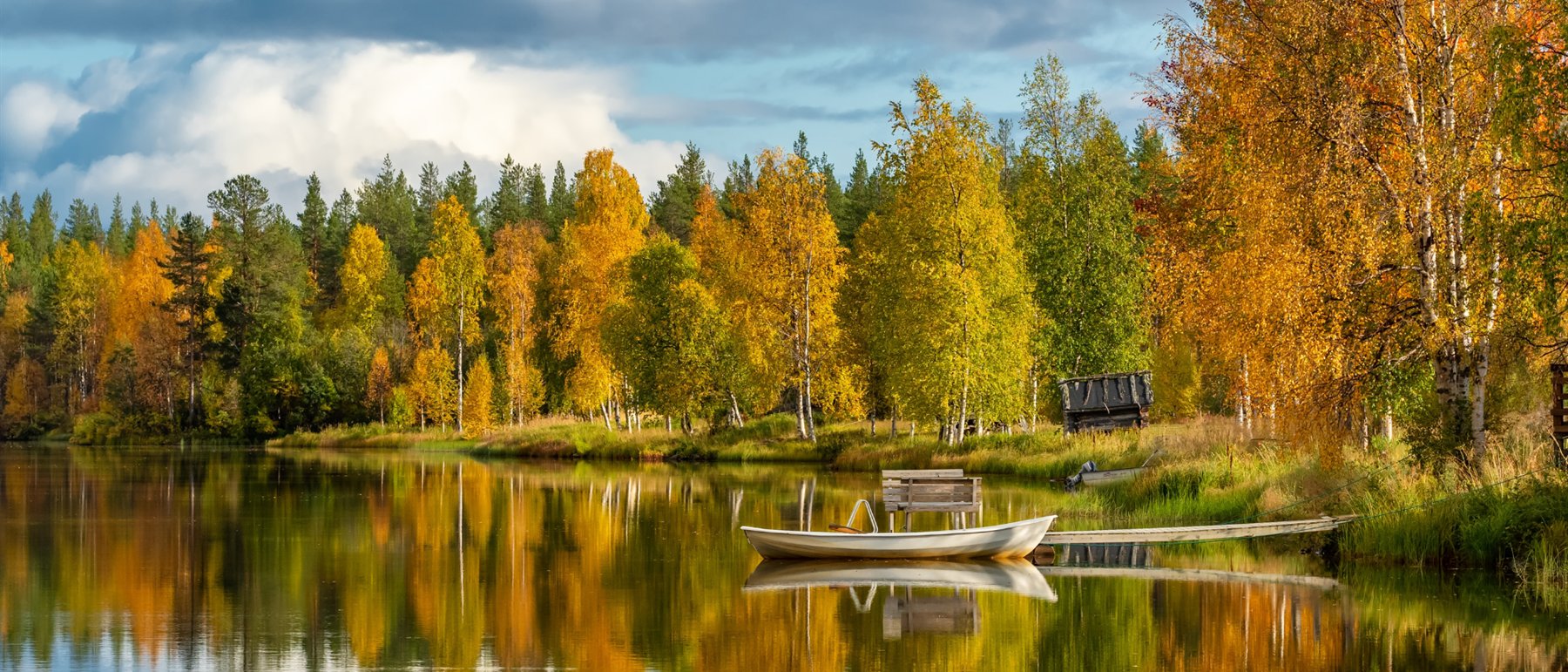
Ruska is not a date, it is a wave moving south. The autumn colour starts in the far north in early September and reaches Helsinki in early to mid-October, so the question is never when to go — it is how far north to go on the dates you already have.
Over Sukkot the far northern fells are usually just past their peak, while southern Lapland, Kuusamo and the lake district are in it. You also get the first aurora nights of the season and no mosquitoes at all. What you do not get is snow — and the good cabins are already booked, by Finns.
Finland has one season with a name of its own. Ruska is the few weeks when the northern forests and the open fells turn red, rust and gold, and it is the busiest hiking fortnight in the Finnish year — for Finns. Almost no Israeli family plans around it, largely because it falls in the gap between the summer trip and the winter one. Here is how it actually works, and how to line it up with a Sukkot flight.
Ruska, far northKilpisjärvi and Utsjoki — roughly the first half of September
Ruska, RovaniemiMid to late September in an average year
Ruska, southern FinlandHelsinki and the lakes — early to mid-October
Peak in any one placeAbout one to two weeks, then a storm takes the leaves
Snow activitiesNone — no huskies, no snowmobiles, no sleighs
MosquitoesGone after the first frosts
In this article
Why the colour is under your boots, not over your head
The photograph everyone has seen — a whole hillside burning red — is not showing you trees. Above the treeline on the Lapland fells the ground cover does the work. Dwarf birch, blueberry and bearberry all turn within days of each other, so the colour runs across the slope and under your boots rather than over your head. In the southern forests it is birch and maple instead, and the palette is yellow and gold rather than scarlet.
That single fact decides the shape of the trip. Ruska is a walking season, not a driving season. A scenic road in the lake district in October is pleasant. An hour uphill onto an open fell in late September is the thing people fly for, and it is the difference between seeing autumn and standing in it.
It is also why the timing is tight. Colour arrives with the first cold nights and leaves with the first real wind — one autumn storm can strip a forest in a day. Anyone who tells you a fixed week is guessing. Check the current conditions in the fortnight before you fly and be ready to drive an hour further north or south than you planned.
Where to go, by the dates you already have
Work backwards from your flights. The wave takes about a month to cross the country, so whatever your dates, some latitude is at peak — the skill is picking it.
Early September — the far north
Kilpisjärvi in the north-west arm, with Saana fell rising straight out of the village, and Utsjoki on the Norwegian border. This is the first and shortest window in the country, and the most dramatic, because it is treeless fell country where the red covers everything. It is also the longest drive from any airport, which is the price.
Mid to late September — southern Lapland and Kuusamo
The Sukkot window in most years. Pallas-Yllästunturi National Park has the marked trails and the simplest logistics, an hour from Kittilä. Saariselkä and Urho Kekkonen National Park give you open fell and genuine wilderness from Ivalo. Oulanka National Park near Kuusamo is a different landscape again — gorges, rapids and suspension bridges rather than bare fell, and the Karhunkierros trail through the middle of it.
Late September into October — the lakes and Karelia
Koli in North Karelia, the view that ended up on the paintings and the banknotes, with the lake below and birch forest turning gold around it. Reachable from Helsinki without a second flight, which matters if the trip is short.
Early to mid-October — an hour from Helsinki
Nuuksio and Repovesi are both close enough to the capital for a half-day, which makes autumn colour something you can add to a city trip rather than build a trip around. Lower drama, near-zero logistics.
The booking trap: Finland is not empty in September
Autumn in Finland is genuinely quiet — of foreign tourists. The specific places you want to sleep are not quiet at all. Ruska week is a domestic institution: Finnish families take their autumn holiday in the fells, and the cabins, wilderness huts and better guesthouses around Ylläs, Levi, Saariselkä and Kilpisjärvi are reserved months ahead, often the previous winter.
So the low-season pricing you were promised applies to the flights and to Helsinki, and only partly to a fell village in the third week of September. Treat accommodation as the constraint and everything else as flexible. If the cabin you want is gone, moving a week earlier and a hundred kilometres north will often find both a bed and better colour.
What autumn gives you, and what it takes away
Three things this season has that no other does. The mosquitoes are gone — the first frosts end them, which is not a small detail if you have read anything about a Lapland July. The nights are dark again: from late August the sky is black enough for the aurora, so you can hike in double digits by day and stand outside for the lights at night, which is impossible in summer and uncomfortable in January. And everyman’s rights (jokamiehenoikeus) let you walk, wild camp and pick on almost any land regardless of who owns it — September is lingonberry and mushroom season, and the picking is free, legal and genuinely good.
What it takes away is the entire winter trip. No snow means no husky sledding, no snowmobiles, no reindeer sleighs, and Santa is not running the way December runs him. If the children have already been shown the winter postcard, ruska is the wrong month and Pesach is the right one.
Dress for autumn, not winter. Expect roughly 5–12°C by day, less on the fells, with rain and real wind above the treeline. The first snow can fall on high ground in September and usually melts within days. Waterproofs, and boots that have already been walked in — the trails are wet, and a fell in the rain is where new boots become a problem.
Sukkot in the north
Worth planning rather than discovering on arrival. Lapland has no kosher supply and no Jewish community — what you need, you bring with you or you order ahead. Helsinki has both, and the community there can help with a sukkah. If the plan is a cabin in the fells over chag, read the kosher and Jewish life page before you book, and note that even in September the northern sky does awkward things to Shabbat timing.
The compensation is real, though. A fell in full ruska on the intermediate days, with clear air, no insects and the first aurora of the season overhead, is about as good as a chag outdoors gets — and you will very likely have the trail to yourself, because the Finns took the week before.
For how the whole Finnish year compares — polar night, snow reliability and why Pesach usually beats December — see When to go. For the aurora specifically, see the Northern Lights page.
Ruska timing shifts by a week or more from year to year and moves south across the country over roughly a month — the ranges here are averages, not dates. Check current autumn-colour conditions in the fortnight before you travel, and confirm chag dates against a Hebrew calendar before booking around them.